

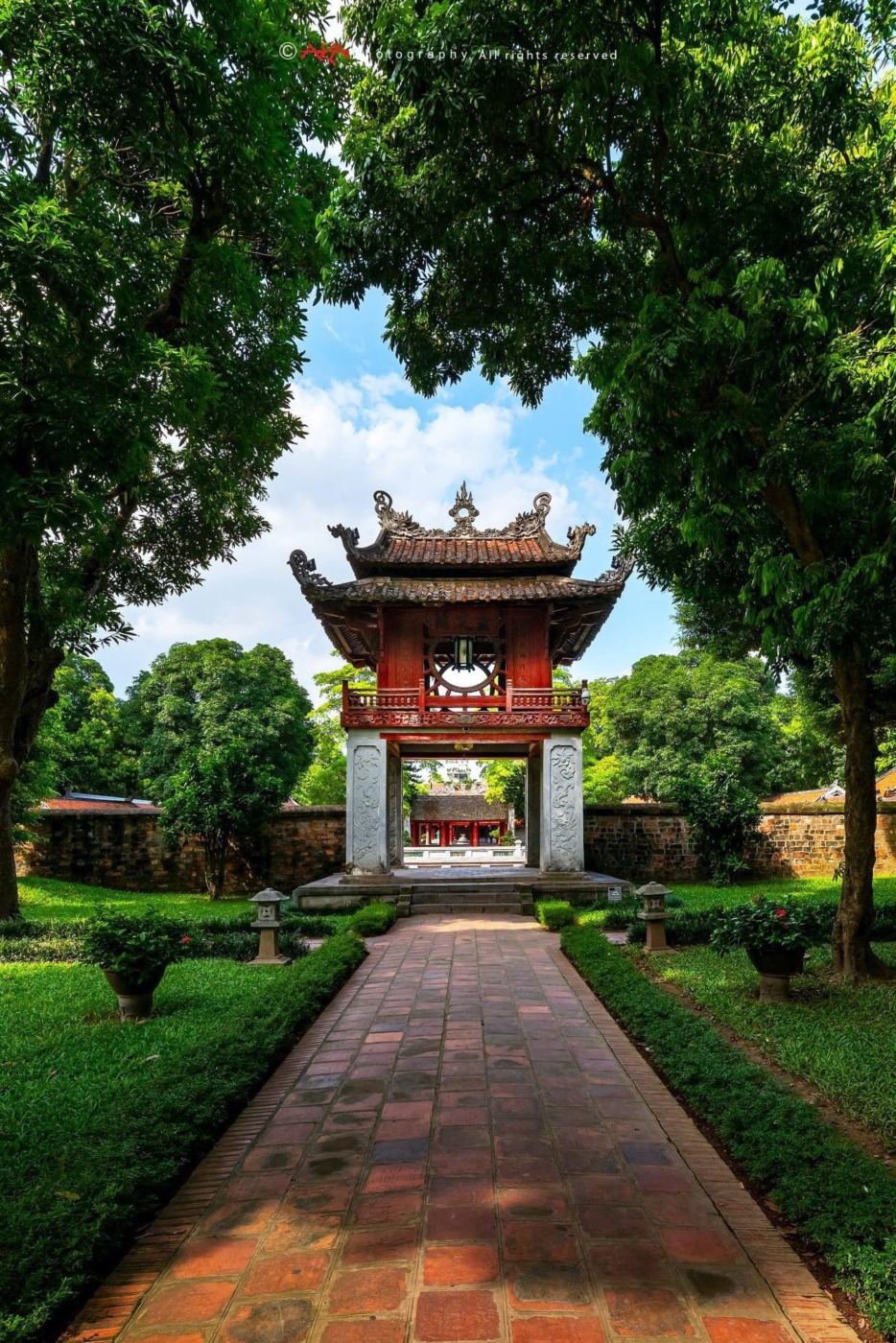


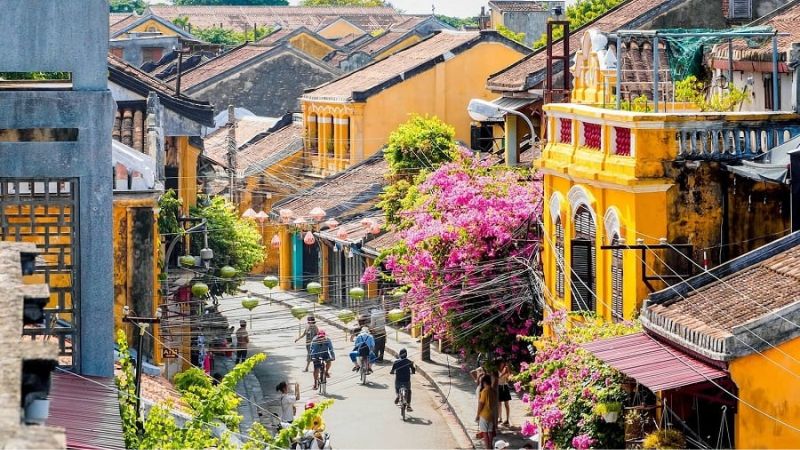








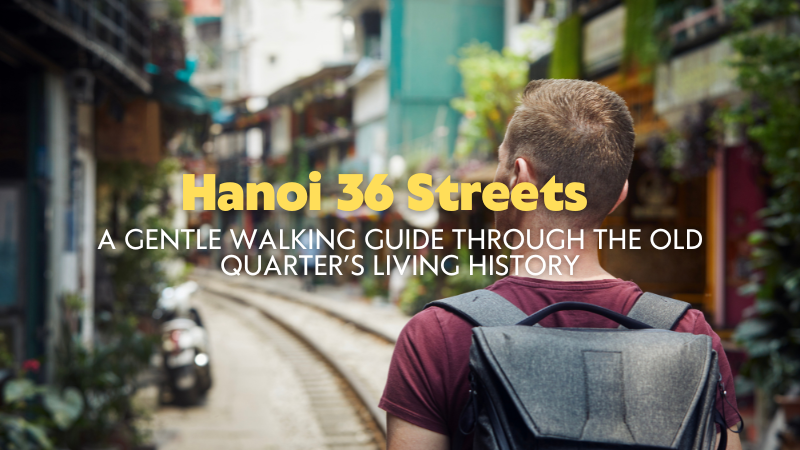
There’s a flavor of Hanoi you can only taste by walking its narrow lanes: the tangle of tube houses, the hush of temple courtyards, the steam of street food, and the shops that still sell what their names promise. When people talk about Hanoi 36 Streets, they’re pointing to more than a map of lanes — it’s a living archive of trade, craft, and daily life. This guide from AFS Travel will help you move through the Old Quarter with curiosity and ease, showing the history, the unmissable stops, and simple ways to make the most of your visit.
Why Hanoi 36 Streets Matters: A Neighborhood That Tells Stories
The phrase Hanoi 36 Streets recalls a medieval pattern of specialised trade: each lane named for the product that once dominated its storefronts. Over centuries the Old Quarter evolved — some streets kept their old trades, others diversified — but the pattern remains legible in façades, shop signs, and family-run workshops. Walking these streets is to read Hanoi’s commercial history in real time: silversmiths, paper lantern makers, tailors, tea shops and wet markets all layer onto one another to create the Old Quarter’s compact, human scale.
Where to Start Your Hanoi 36 Streets Walk (and How to Move Between Highlights)
Begin at Hoàn Kiếm Lake to feel the city’s pulse and then drift north into the Old Quarter. The 36 streets fan out from this central node: Hàng Bạc (historically silver), Hàng Gai (silk and embroidery), Hàng Mã (paper goods and festival décor), Hàng Trống (paints and traditional lacquer), and Hàng Đường (spices and candy). Distances are short and the best way to explore is on foot: allow your eyes to wander, pause at open shop doors, and accept invitations to look closer at handicrafts. If your legs need a break, short cyclo rides or a quick motorbike taxi can move you between clusters in minutes.
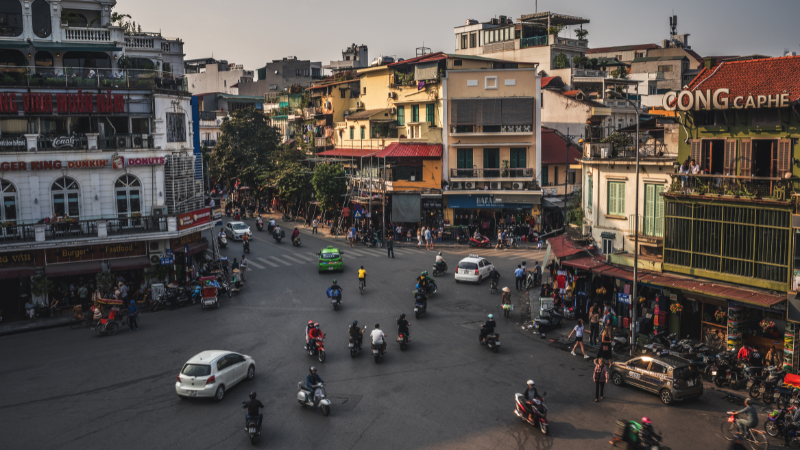
Architecture and Atmosphere: What Makes Hanoi 36 Streets Visually Unique
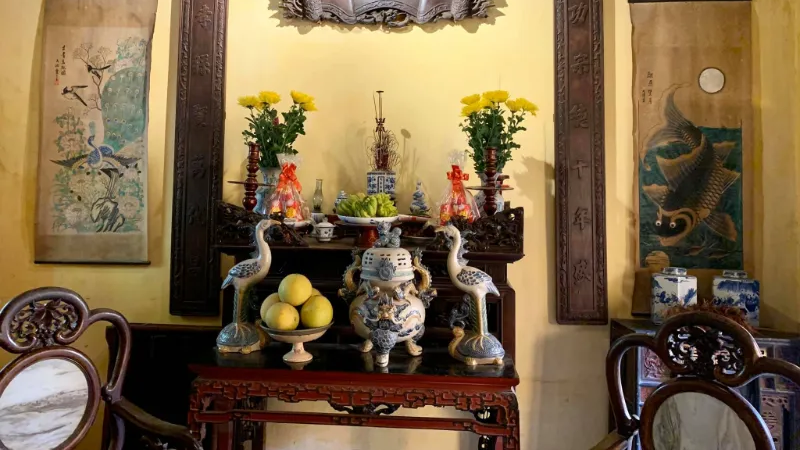
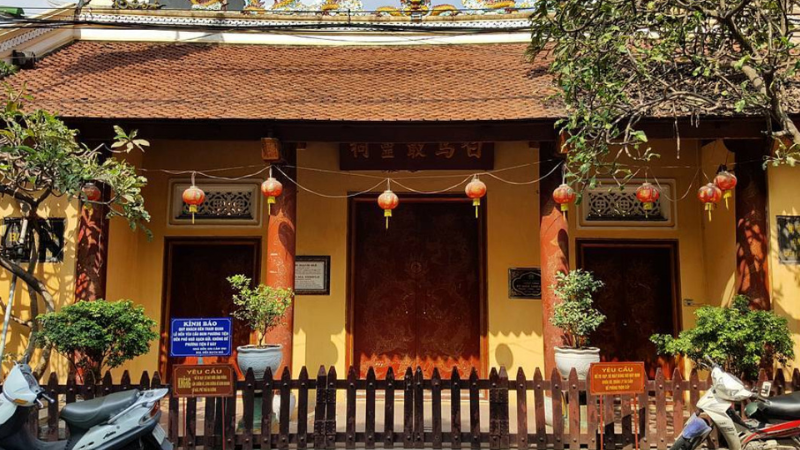
The Old Quarter’s signature “tube houses” — narrow frontages with long, deep interiors — grew from tax rules and family trade needs, and today they form a continuous wall of intimate storefronts and living rooms above. Notice tile roofs, carved wooden doors, and the elegant decay of old plaster; step inside a few ancient houses such as Ma Mây Ancient House to see the layered domestic life behind a shopfront. Temples like Bạch Mã sit tucked among the lanes, offering cooling shade and a reminder that commerce and spirituality historically coexisted here. During festivals the streets come alive with stalls, lanterns, and theatrical displays — a reminder that the Old Quarter still stages public life.
Top Things to See on a Hanoi 36 Streets Route
Explore the Crafts: Hàng Gai, Hàng Bông and Hàng Mã
Wander Hàng Gai for silk and embroidered textiles that make elegant gifts, and linger at small workshops where artisans still hand-finish pieces. Hàng Mã’s aisles of painted paper and festival offerings are especially photogenic and are a vivid way to understand Vietnamese ritual life.
>>> Read more: Hanoi Street Food Tour: A Flavorful Journey Through the Capital’s Best Local Eats
Visit Ma Mây Ancient House and the Area’s Living Museums
A short walk will bring you to Ma Mây Ancient House, a compact, atmospheric example of Old Quarter domestic architecture. The house gives context to how families combined living space and commerce over generations.
Step Inside Bạch Mã Temple and Other Sacred Corners
Bạch Mã Temple, a few minutes from the busiest shopping lanes, rewards visitors with sculpted altars and quiet courtyards. Take a moment here to observe local worship practices and the temple’s carved details.
Haggle and Feast at Đồng Xuân Market
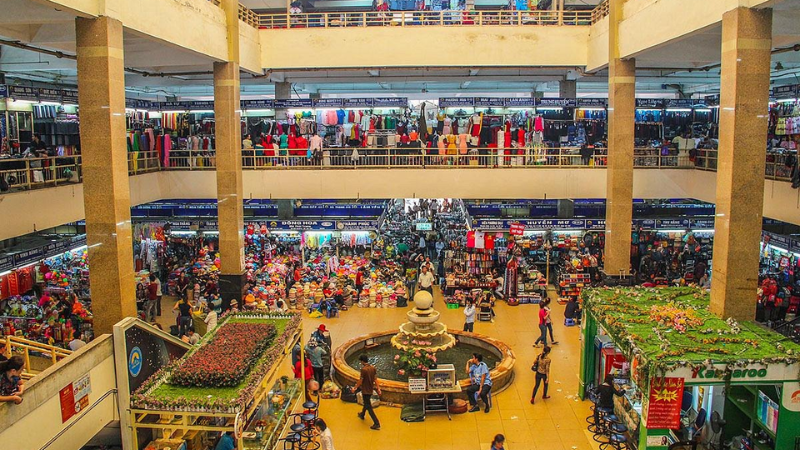
No visit to Hanoi 36 Streets is complete without a stop at Đồng Xuân Market. Beyond souvenirs, the market is a living wholesale hub where you can see raw materials, street foods and the logistics of a centuries-old trading city in action.
Food & Drink Along the 36 Streets: Small Dishes, Big Flavors
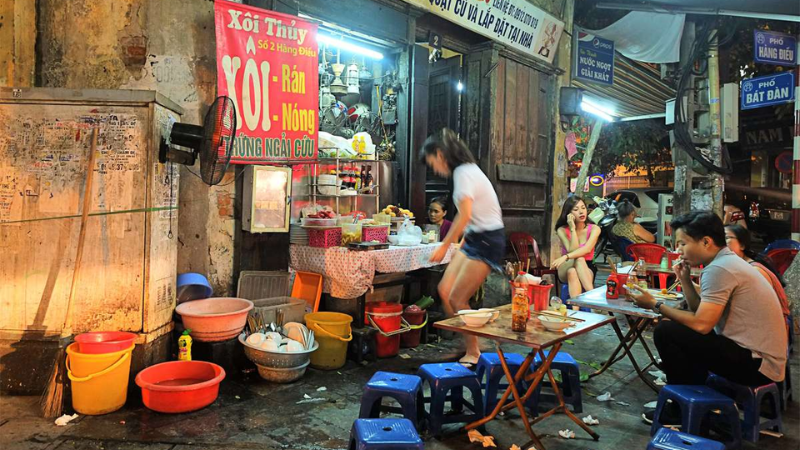
The Old Quarter is a tasting menu. From early-morning xôi (sticky rice) to late-night phở and bowls of bún chả, each lane offers specialties that reveal regional styles and family recipes. Don’t miss a cup of traditional cà phê trứng (egg coffee) at a small café or a paper cone of freshly made chè (sweet dessert soup) from a sidewalk vendor. Follow your nose through side alleys — the best discoveries are often unadvertised.
Practical Tips for a Smooth Hanoi 36 Streets Experience
Start early to enjoy quieter streets and cooler air; afternoons can be busy and humid. Carry small change for quick purchases and food stalls, and keep modest clothing if you plan to visit temples. If you want deeper context for the shops and their history, consider booking a specialist walking tour—AFS Travel offers guided routes that pair storytelling with tasting stops so you learn as you eat. Respect shopkeepers’ rules about photos inside workshops and be ready to bargain gently at market stalls; a smiling negotiation is part of the Old Quarter ritual.
Why Visit Hanoi 36 Streets with AFS Travel
For travelers who crave structure without losing serendipity, AFS Travel combines reliable local knowledge with flexible routes. Whether you prefer a focused handicraft walk, a food-heavy evening tour, or a family-friendly exploration of small museums and markets, AFS Travel’s guides help you read the streets rather than just pass through them.
>>> Book now: HA NOI – SAPA – HA LONG – NINH BINH 6N5Đ
Final Thought — The Old Quarter’s Gift
Hanoi 36 Streets is a compact museum you can walk through, day by day: it preserves trade histories, family stories, and the everyday creativity of a living city. Take your time, taste widely, and let the lanes reveal the quieter, persistent rhythms of Hanoi life. If you want an itinerary that connects history, food, and shopping with ease, AFS Travel can plan it and make sure your walk becomes a memory.