










Hanoi cuisine is one of the most refined culinary traditions in Vietnam, shaped by more than a thousand years of history. For travelers exploring the capital, discovering local food is not just about eating well—it is a meaningful way to understand Hanoi’s lifestyle, culture, and rhythm of daily life.
From iconic noodle soups to elegant traditional dishes, Hanoi cuisine reflects balance, seasonality, and subtle flavors. This guide by AFS Travel highlights the must-try dishes and food streets that define the culinary soul of Vietnam’s capital.
The essence of Hanoi cuisine
Hanoi cuisine is known for its harmony of flavors rather than bold spiciness. Dishes are carefully seasoned, allowing the natural taste of ingredients to shine. Fresh herbs, light broths, and balanced textures are key elements that appear across both street food and restaurant dining.
Another defining feature of Hanoi cuisine is its connection to time and season. Locals often choose what to eat based on the weather and time of day, making food an organic part of everyday life rather than a rushed activity.
Signature dishes that define Hanoi cuisine
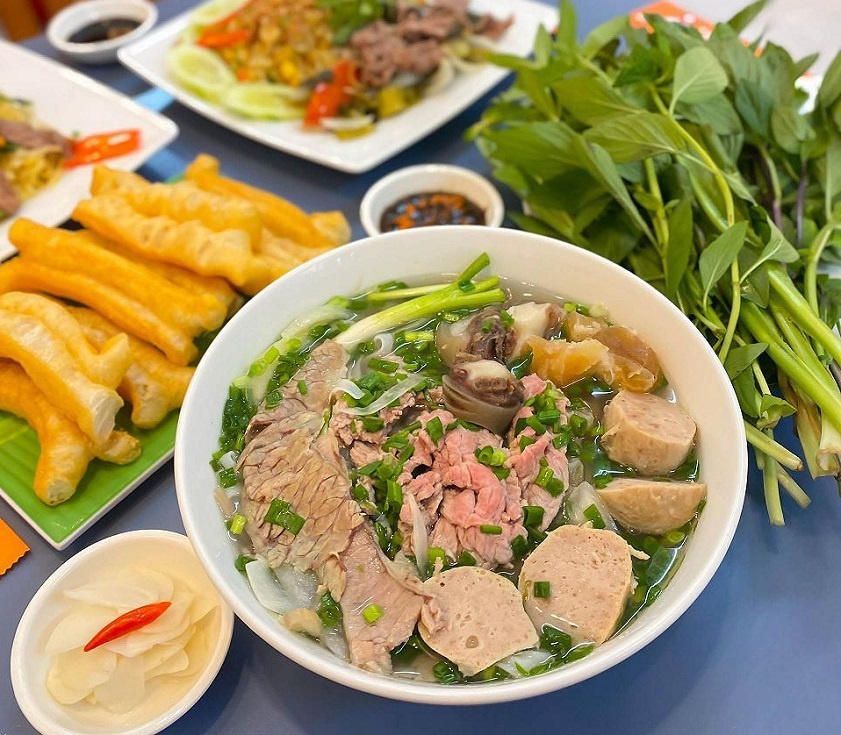
Pho – The symbol of Hanoi cuisine
Pho is the most iconic dish associated with Hanoi cuisine. A clear, aromatic broth simmered from beef or chicken bones is paired with soft rice noodles and thinly sliced meat. The result is a comforting dish enjoyed from early morning until late night.

Bun cha – Grilled pork with vermicelli
Bun cha is a proud culinary representative of Hanoi. Smoky grilled pork served with vermicelli, herbs, and warm dipping sauce creates a perfect balance of sweet, savory, and fresh flavors.

Bun dau mam tom – A bold local favorite
This dish features vermicelli, fried tofu, pork cuts, and fermented shrimp paste. While the aroma may be strong for first-time visitors, bun dau mam tom is deeply loved by locals and offers an authentic Hanoi food experience.

Cha ca La Vong – A historic delicacy
Cha ca La Vong is a classic Hanoi dish made from turmeric-marinated fish cooked tableside with dill and green onions. Served with peanuts and shrimp paste, it is one of the most distinctive meals in the city.

Bun thang – Elegant and traditional
Bun thang is a delicate chicken noodle soup often associated with festive occasions. Its thinly sliced toppings and clear broth reflect the sophistication of traditional Hanoi cuisine.
Banh cuon – Light yet satisfying
Steamed rice rolls filled with minced pork and wood ear mushrooms are a popular breakfast choice. Soft textures and subtle seasoning make banh cuon a favorite for both locals and travelers.

Egg coffee – A unique Hanoi creation
Egg coffee combines strong Vietnamese coffee with a creamy egg yolk foam. This specialty originated in Hanoi and remains one of the city’s most memorable drinks.
Famous food streets to explore Hanoi cuisine
Hanoi cuisine is best experienced while walking through the city’s lively food streets.
- Hoan Kiem area offers easy access to street snacks, ice cream, and noodle dishes near the lake.
- Ta Hien Street is known for its energetic atmosphere, beer culture, and simple street food.
- Tong Duy Tan Street (also called Chicken Street) is popular for late-night dining.
- Dong Xuan Market is a long-standing culinary hub where visitors can sample affordable local specialties.
These areas allow travelers to taste Hanoi cuisine in its most authentic form—casual, vibrant, and deeply local.
Combine Hanoi cuisine with top attractions
After exploring Hanoi cuisine, travelers can continue their journey with nearby attractions such as Hanoi Old Quarter, Hoan Kiem Lake, Ba Dinh Square, and St. Joseph’s Cathedral. For families, VinKE & Vinpearl Aquarium at Times City offer engaging entertainment alongside educational experiences.
Final thoughts on Hanoi cuisine
Hanoi cuisine is a reflection of the city’s identity—elegant, balanced, and rooted in tradition. From world-famous pho to hidden street food gems, every dish tells a story shaped by history and local culture.
With this guide from AFS Travel, visitors can confidently explore Hanoi’s food scene and enjoy a deeper, more meaningful travel experience in Vietnam’s capital.