




Vietnam is a land of breathtaking natural beauty, rich history, and vibrant culture. Stretching over 1,600 kilometers from north to south, the country offers a stunning variety of landscapes—from misty mountains and terraced rice fields to white-sand beaches and bustling cities.
For first-time visitors, deciding on the best places to visit in Vietnam can feel overwhelming. This guide introduces the top destinations across the country, helping you craft a memorable journey filled with history, adventure, and authentic experiences.
Hanoi – The Timeless Capital of Vietnam
Hanoi, the heart of Vietnam, is a city where centuries-old traditions meet modern development. Its charm lies in its contrasts: French colonial architecture next to ancient temples, serene lakes surrounded by lively street markets, and modern cafés buzzing alongside traditional tea stalls.
Highlights in Hanoi:
- Old Quarter: A maze of 36 streets, each historically dedicated to a trade, now filled with street food vendors, tailor shops, and hidden cafés.
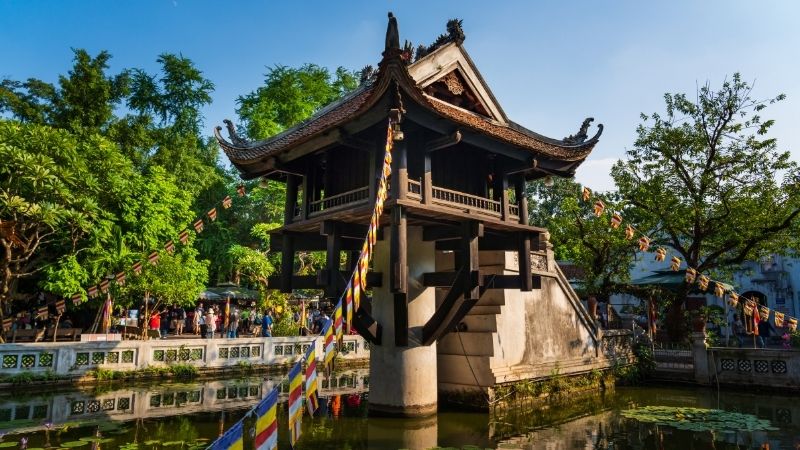
- Hoan Kiem Lake & Ngoc Son Temple: The cultural heart of the city, especially enchanting at sunrise with locals practicing tai chi.
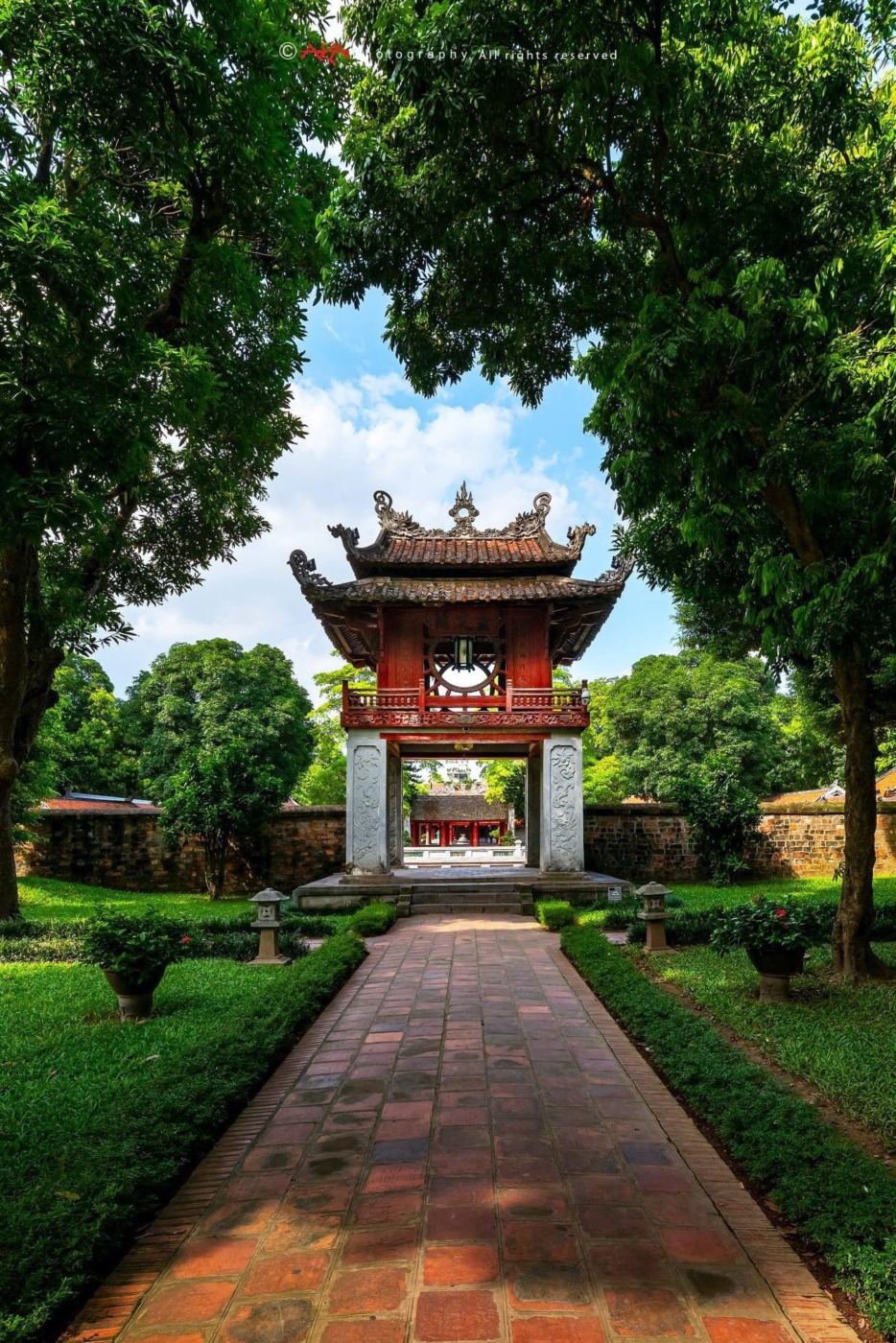
- Temple of Literature: Vietnam’s first university, dating back to 1070, dedicated to Confucius and learning.
- Ho Chi Minh Mausoleum: A monumental landmark honoring Vietnam’s revered leader.
Hanoi is also the launching point for northern adventures like Ha Long Bay, Ninh Binh, and Sapa.
Ha Long Bay – Jewel of the North
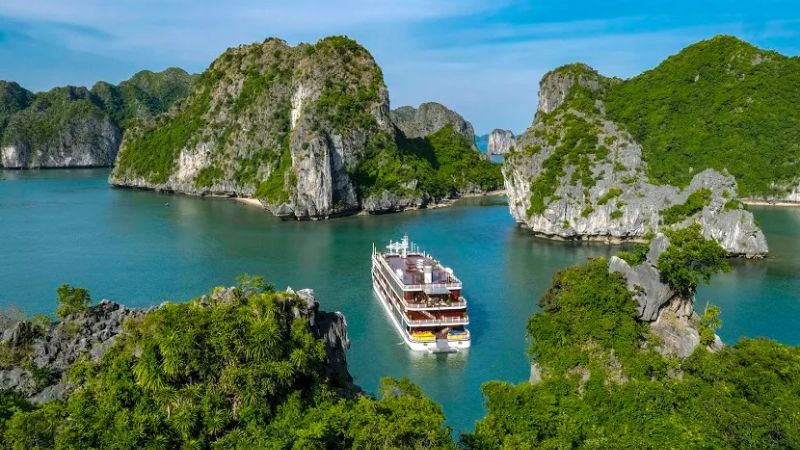
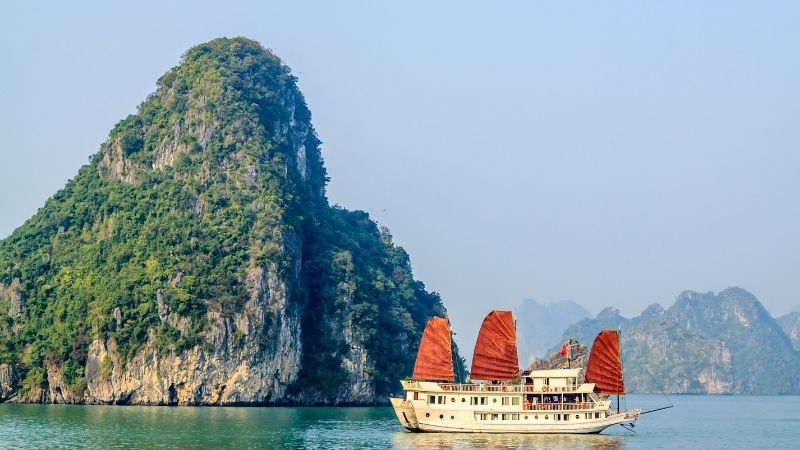
Recognized by UNESCO as a World Heritage Site, Ha Long Bay captivates with thousands of limestone karsts rising from emerald waters.
Things to Do in Ha Long Bay:
- Overnight Cruises: Luxury or budget-friendly, these cruises let you explore caves, floating villages, and remote islands.
- Kayaking & Swimming: Paddle through hidden lagoons or swim in crystal-clear waters.
- Titop Island & Sung Sot Cave: Must-visit spots for panoramic views and awe-inspiring natural formations.
Ha Long Bay is best experienced on a 2-day, 1-night cruise, giving travelers time to soak in its beauty without rushing.
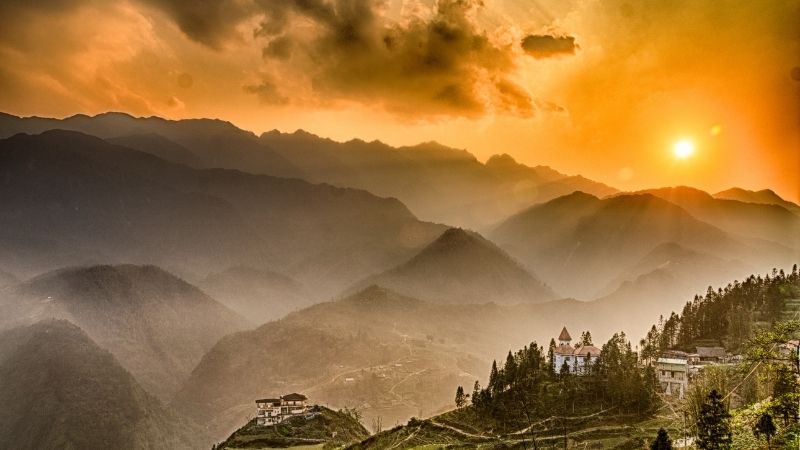
Sapa – The Mountain Escape
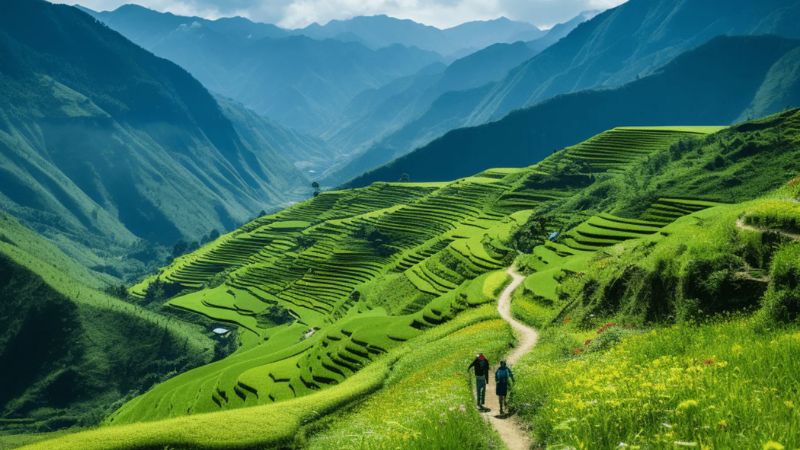
For nature lovers, Sapa in northern Vietnam offers majestic mountains, terraced rice fields, and rich ethnic cultures.
Why Visit Sapa:
- Trekking routes through terraced landscapes and Hmong, Dao, and Tay minority villages.
- Fansipan Mountain: Known as the “Roof of Indochina,” reachable by a cable car with breathtaking views.
- Local Homestays: Experience authentic rural life and traditional cuisine with ethnic minority families.
Sapa is a destination of misty mornings, vibrant markets, and unforgettable treks.
Hue – Vietnam’s Imperial Legacy
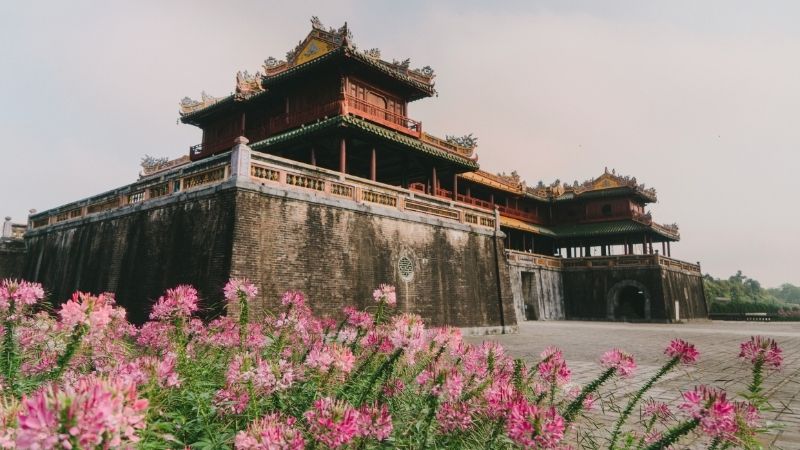
Hue, once the capital of the Nguyen Dynasty, is Vietnam’s historical and cultural heart. Its monuments, temples, and tombs showcase the grandeur of imperial Vietnam.
Top Hue Attractions:
- Imperial Citadel (The Forbidden City): The royal residence and political center of the Nguyen emperors.
- Perfume River Cruises: Traditional boat rides often accompanied by live folk music.
- Royal Tombs of Emperors: Intricate architectural masterpieces, especially the Tomb of Tu Duc and Khai Dinh.
- Thien Mu Pagoda: One of the oldest and most iconic pagodas in Vietnam.
Hue’s slower pace makes it an ideal stop for travelers who want to immerse themselves in Vietnam’s cultural heritage.
>>> Read more: Hue to Ha Long Bay: Your Complete Journey Guide from Imperial City to World Heritage Wonder!
Da Nang – The Modern Coastal Hub
Da Nang is a vibrant coastal city known for its balance of modernity and natural beauty.
Must-Visit Attractions:
- My Khe Beach: Perfect for swimming, sunbathing, and water sports.
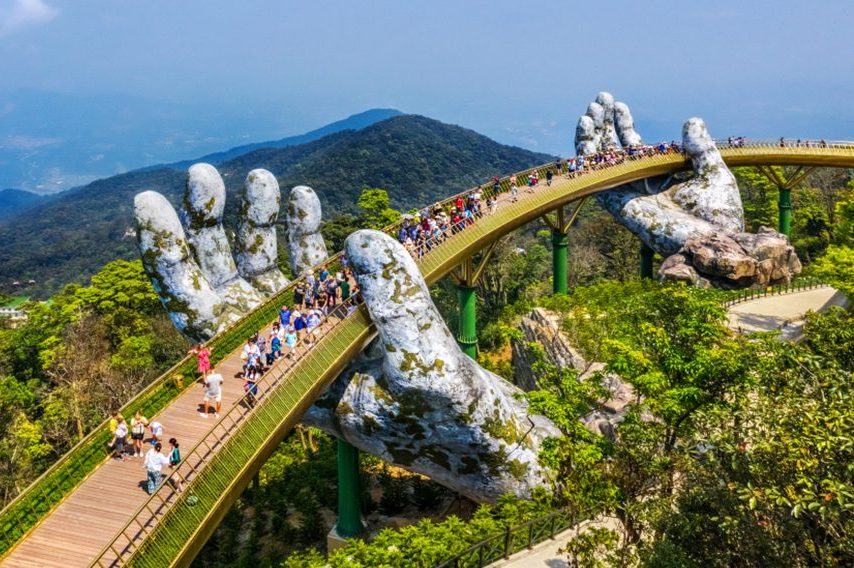
- Ba Na Hills & Golden Bridge: A mountain resort famous for its giant hands-shaped pedestrian bridge.
- Marble Mountains: A cluster of five marble and limestone hills with caves, pagodas, and panoramic views.
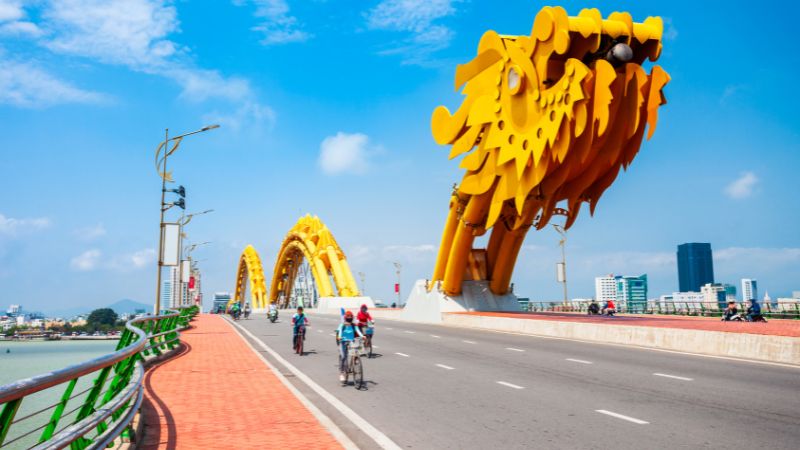
- Dragon Bridge: A modern landmark that breathes fire and water every weekend night.
Da Nang also serves as the gateway to Hoi An and Hue, making it a central stop for any itinerary.
Hoi An – Lantern-Lit Ancient Town
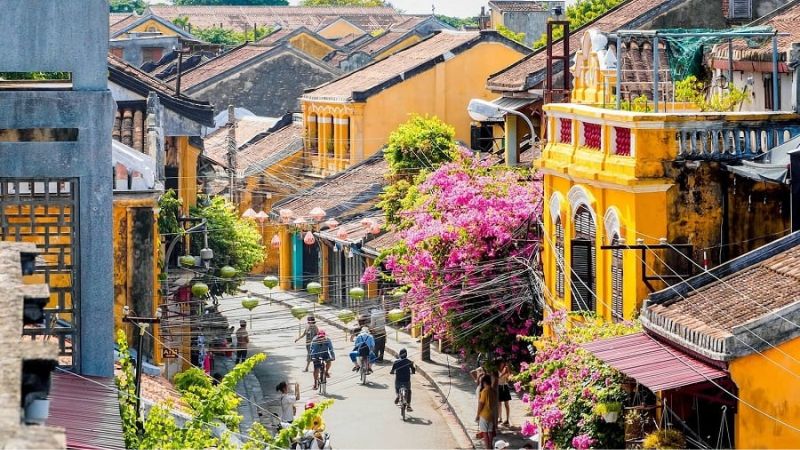
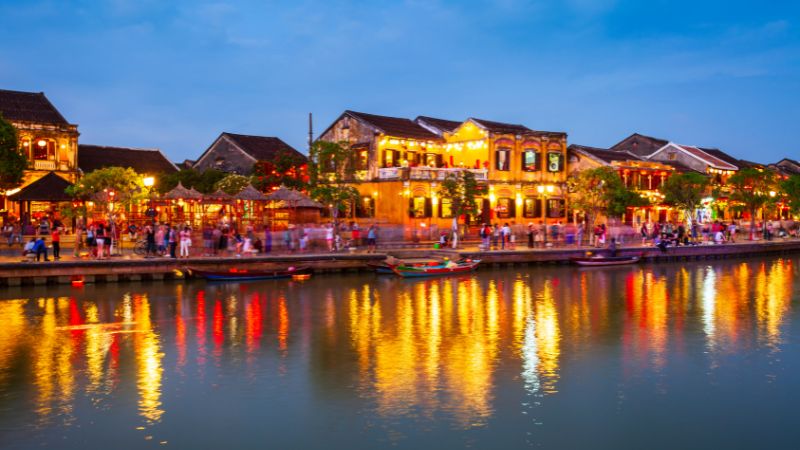
A UNESCO World Heritage Site, Hoi An is Vietnam’s most atmospheric town, where lanterns light up the streets and riverside at night.
Why Travelers Love Hoi An:
- Japanese Covered Bridge: A 16th-century architectural icon.
- Custom Tailors: Get suits, dresses, and shoes made to order in just 24 hours.
- Hoi An Night Market: A lively riverside scene with lanterns, street food, and souvenirs.
- Cycling Tours: Explore the countryside, rice paddies, and nearby beaches like An Bang.
Hoi An offers a rare combination of history, culture, and leisure.
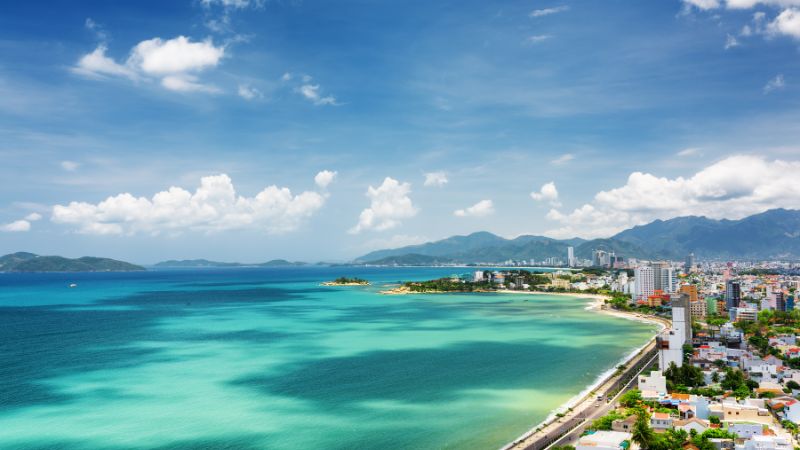
Nha Trang – Vietnam’s Riviera
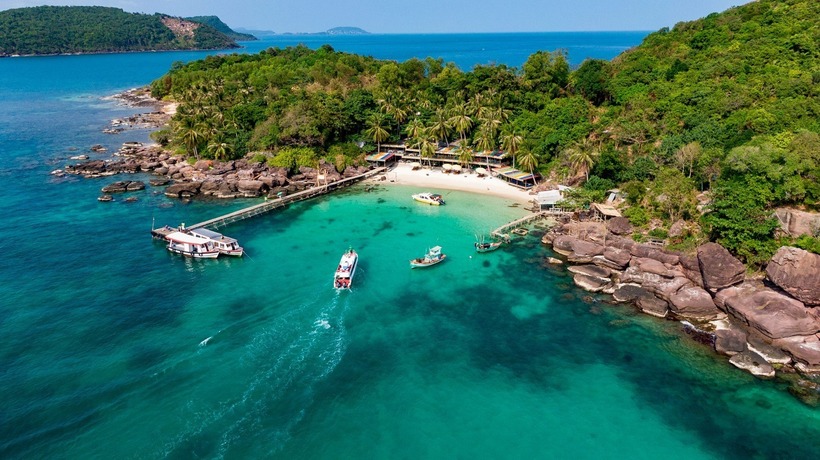
Nha Trang is Vietnam’s most famous seaside resort town, known for its turquoise waters and vibrant nightlife.
Highlights in Nha Trang:
- Long Beach: Golden sand and clear waters ideal for swimming.
- Scuba Diving & Snorkeling: Explore Vietnam’s best coral reefs.
- VinWonders Nha Trang: A massive amusement park and water world.
- Po Nagar Cham Towers: Ancient Hindu temples dating back to the 7th century.
Nha Trang is the perfect spot for both relaxation and adventure.
>>> Read more: Hoi An or Nha Trang Travel: Which Vietnamese Paradise Should You Choose?
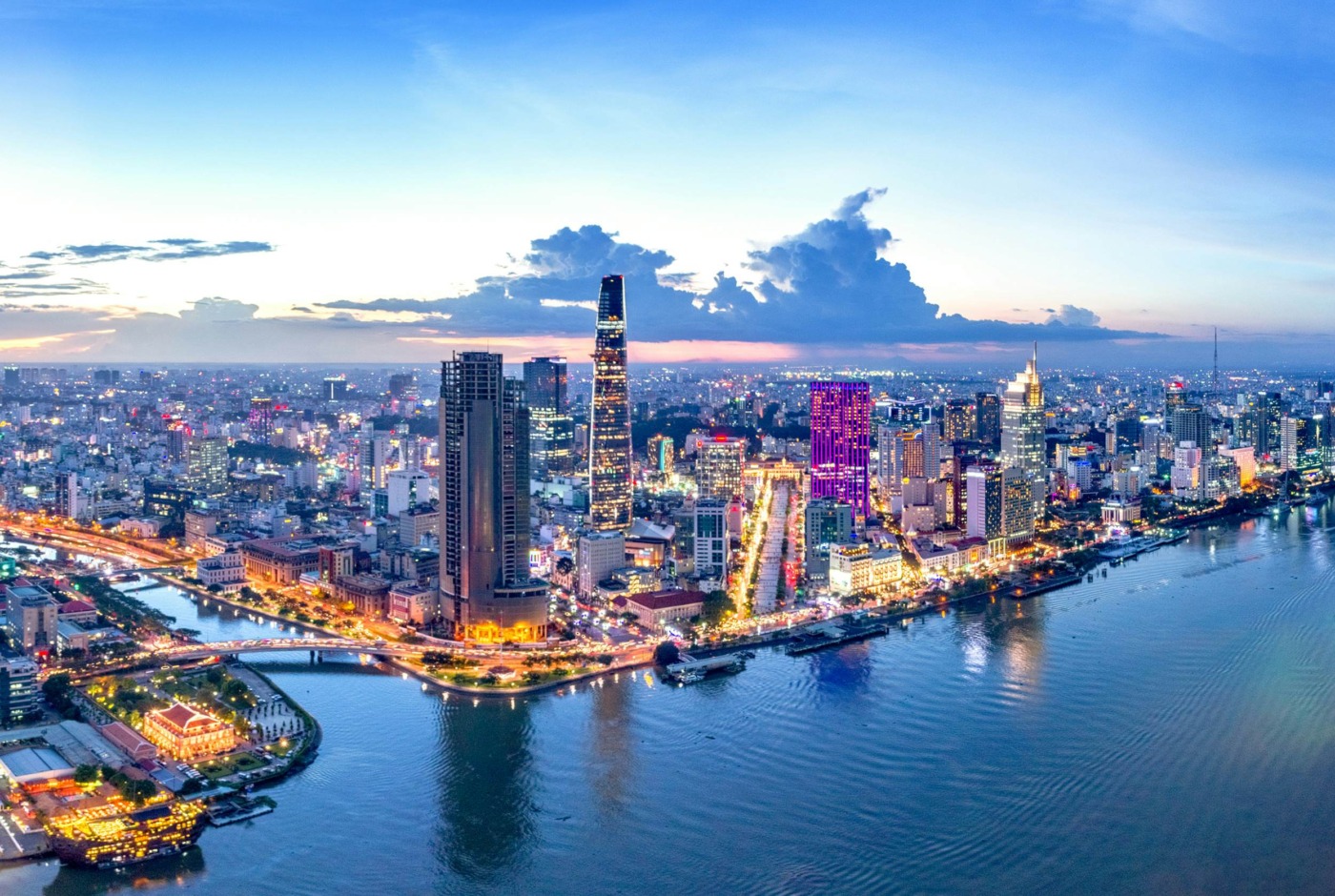
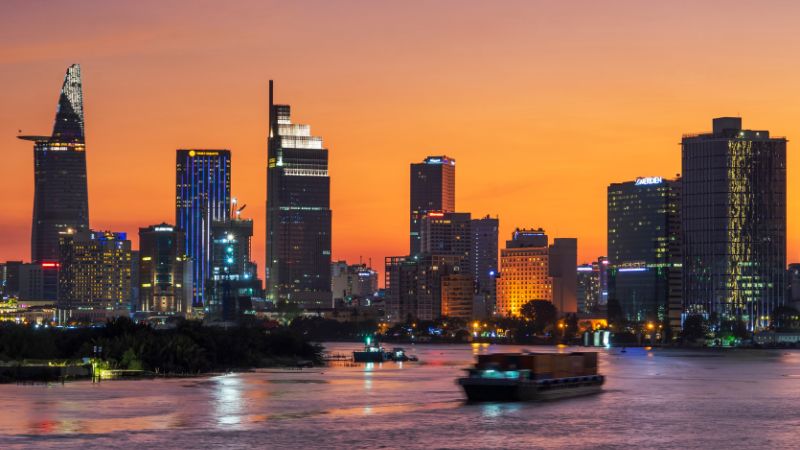
Ho Chi Minh City (Saigon) – The Southern Metropolis
Ho Chi Minh City is Vietnam’s largest and most dynamic urban center.
Top Experiences in Saigon:
- Ben Thanh Market: A must for local food and souvenirs.
- War Remnants Museum: A sobering but essential insight into Vietnam’s history.
- Notre Dame Cathedral & Central Post Office: French colonial landmarks.
- Nguyen Hue Walking Street: Lively in the evenings with street performers and cafés.
Saigon offers everything from rooftop bars to hidden alleyway eateries.
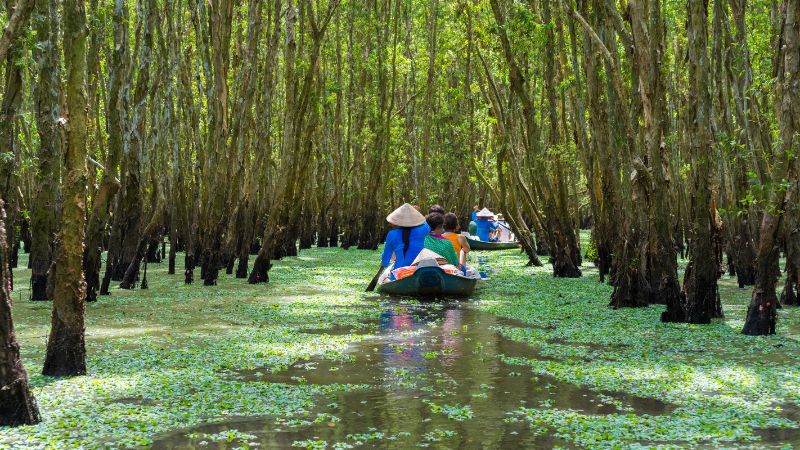
Mekong Delta – Life on the Water
Known as Vietnam’s “Rice Bowl,” the Mekong Delta offers a glimpse of rural life where rivers shape everyday living.
Highlights in the Mekong Delta:
- Floating Markets: Cai Rang and Cai Be are vibrant with boats selling fresh produce.
- Fruit Orchards: Taste tropical fruits like rambutan, dragon fruit, and durian straight from the farm.
- Village Life: Visit stilt houses, pagodas, and coconut candy workshops.
This region is best explored on boat tours, often combined with homestays for a truly authentic experience.
Travel Tips for Exploring the Best Places in Vietnam
Vietnam’s diverse geography and culture mean that preparation is key for a smooth trip.
- Book transport early during Tet (Vietnamese New Year) and summer months when demand is high.
- Carry Vietnamese Dong (VND), as many rural areas and markets don’t accept credit cards.
- Be mindful of the weather: The north can be chilly in winter while the south is hot year-round.
- Pack light clothing but modest attire for temples and pagodas.
- Plan scenic stops: Especially when traveling between cities like Hoi An to Hue via Hai Van Pass.
Plan Your Vietnam Adventure
Vietnam offers something for everyone—majestic mountains, sandy beaches, historical cities, and vibrant street life. At AFS Travel, we specialize in crafting seamless travel experiences tailored for international visitors.