

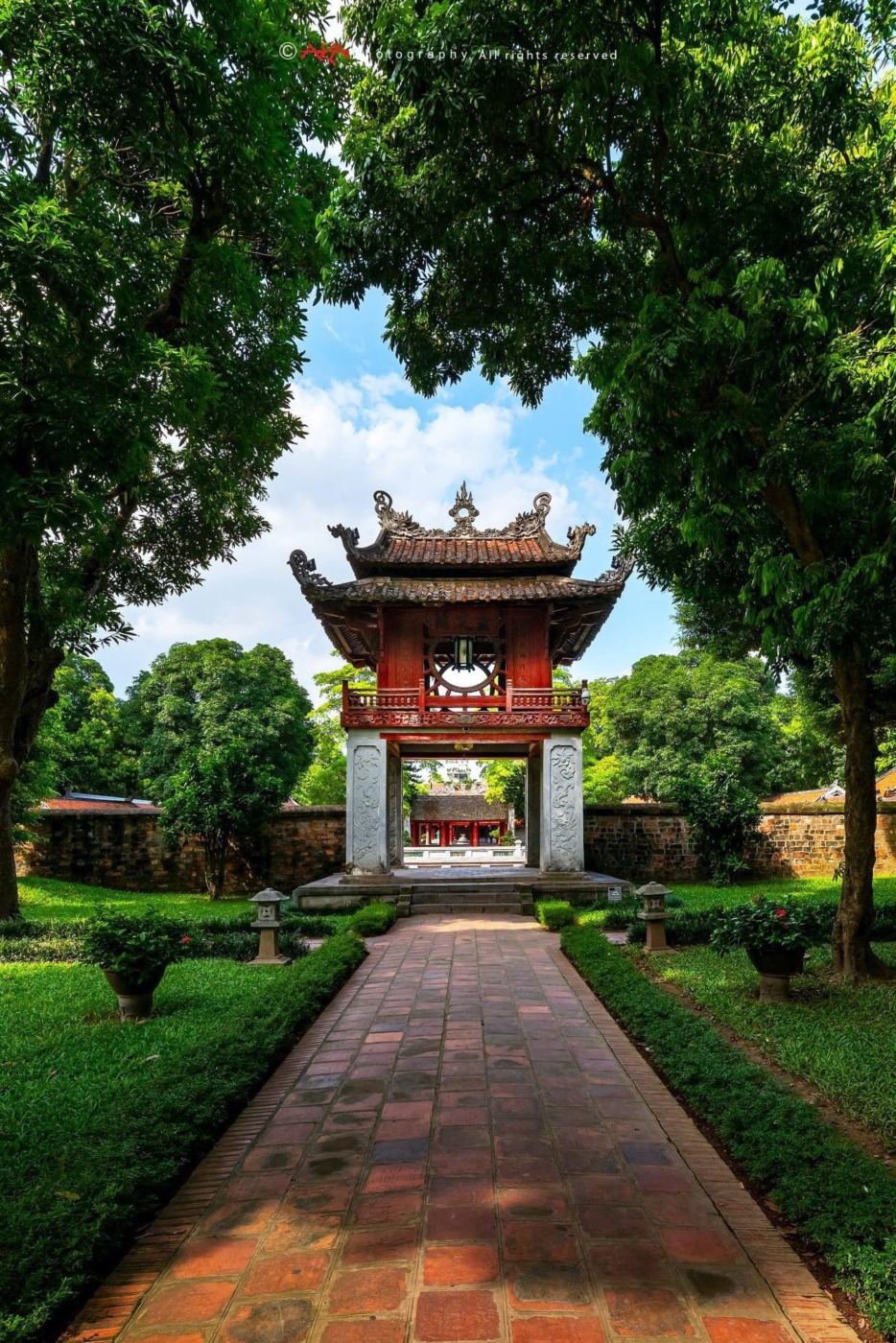

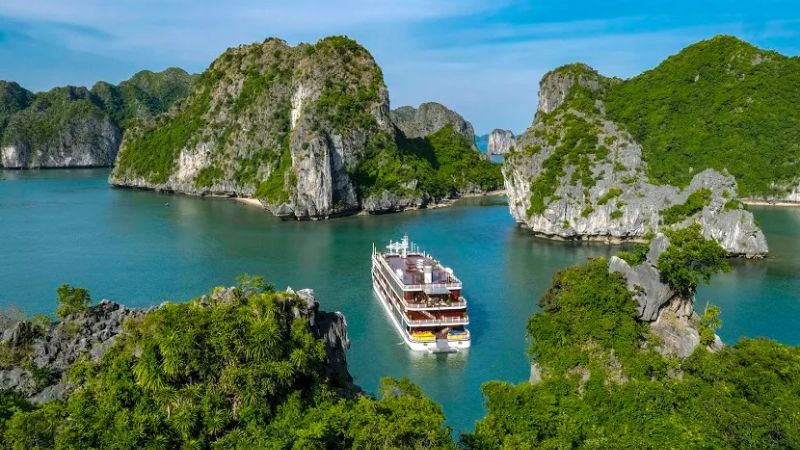
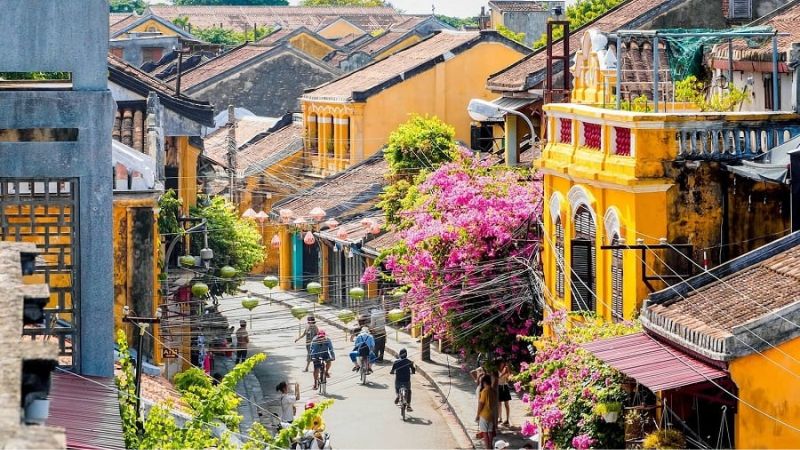
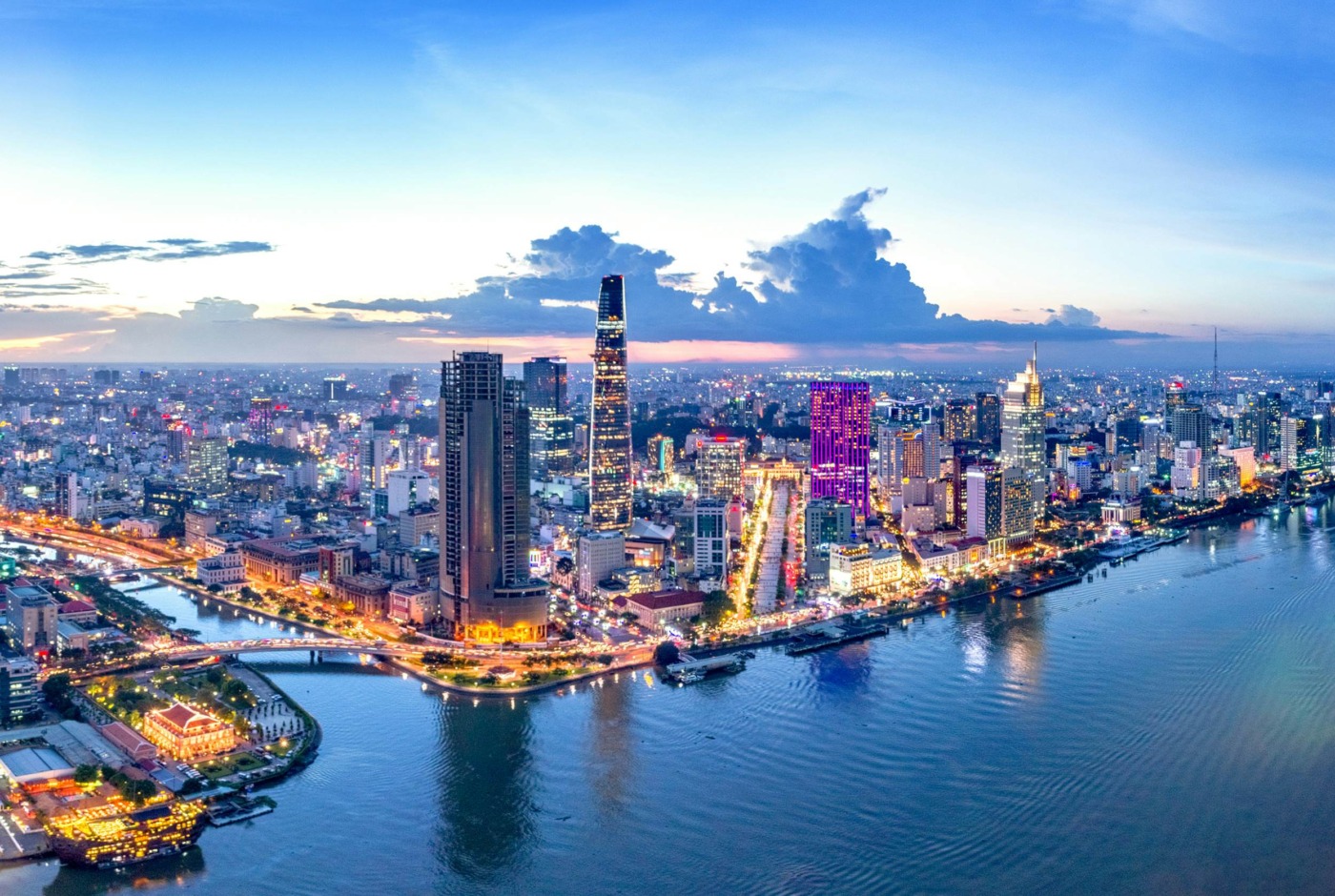






“Which Hoi An attractions are worth visiting?” is a common question for many travelers planning a trip to Hoi An, the ancient town famously known as the “heritage city” with its charming old streets, rich cuisine, and unique festivals. If you’re preparing for your next trip, join AFS Travel to explore the most outstanding Hoi An attractions in this guide for a truly unforgettable journey!
Where is Hoi An? Weather & climate
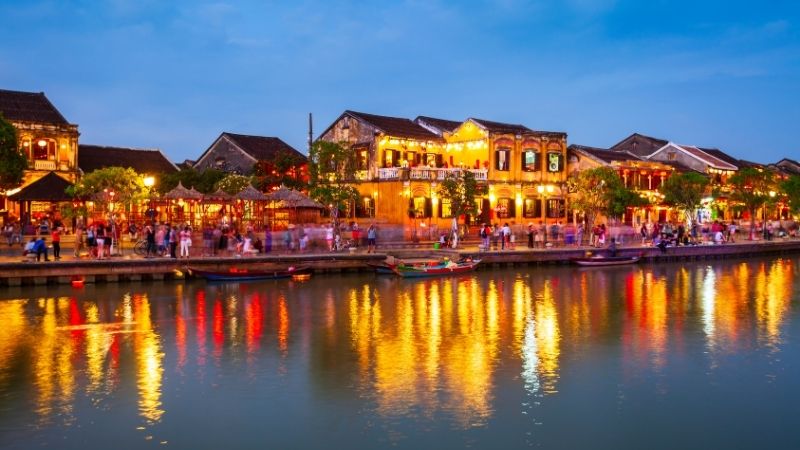
Hoi An is a city located in central Vietnam, in Quang Nam province (now part of Da Nang City). It sits along the picturesque Thu Bon River, offering easy trade connections and access to many popular tourist destinations in the region.
For tourism purposes, Hoi An is mainly divided into two areas:
- Hoi An Ancient Town: Preserves the town’s historical, cultural, and architectural heritage.
- Outskirts of Hoi An: Includes beautiful beaches, traditional craft villages, and eco-friendly attractions.
Hoi An’s climate is tropical monsoon with two distinct seasons:
- Dry season (February – August): Sunny, minimal rain, ideal for sightseeing and outdoor activities.
- Rainy season (September – January): Frequent heavy rains and occasional flooding, offering a unique quiet charm to the ancient town.
The best time to visit Hoi An is usually from February to April or July to August, when the weather is pleasant, perfect for walking around the town, swimming at the beach, and joining local festivals.
Top 23 Hoi An attractions you cannot miss
Hoi An is not only famous for its ancient town charm but also offers a wide variety of experiences: from centuries-old architecture, assembly halls, and ancient houses to traditional craft villages. Below is a list of must-visit Hoi An attractions for your journey:
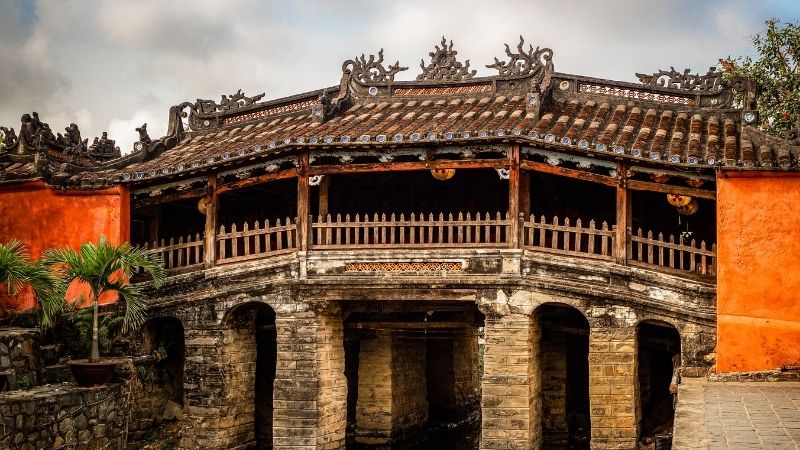
Hoi An attractions: Hoi An’s Japanese Bridge (Chua Cau)
Located at the beginning of Tran Phu Street, crossing the poetic Hoai River, this bridge is the iconic starting point for exploring Hoi An Ancient Town. Built in the late 16th century by Japanese merchants, it is also known as the Japanese Bridge. Its arched roof, intricately carved wooden structure, and historical significance make it a symbol of Hoi An.
Tan Ky Old House
Located at 101 Nguyen Thai Hoc Street, Tan Ky House was built over 200 years ago. It reflects a unique blend of Vietnamese, Chinese, and Japanese architecture with a courtyard, wooden doors, and traditional tiles. Highlights include the yin-yang swirl carved on doors and hand-carved wooden pillars, providing visitors with a glimpse into merchant life in Hoi An.
Phung Hung Old House
Over 240 years old, Phung Hung House is a prime example of Hoi An’s ancient architecture. Built from rare wood and combining Vietnamese-Chinese-Japanese design elements, it transports visitors back to the life of Hoi An’s historic merchant class.
>>> Read more: Vietnam Tips for Tourist: A Complete Guide for First-Time Travelers
Trieu Chau Assembly Hall
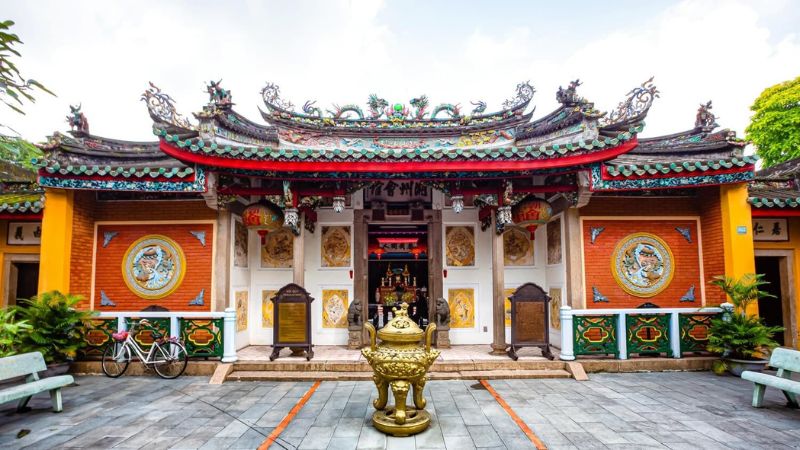
Built in 1845, this hall honors the gods who protect sailors and merchants. Its intricate wooden and stone carvings showcase Hoi An’s traditional architectural beauty and cultural values.
Fukian Assembly Hall
Located on Tran Phu Street, it is a major cultural and religious hub for the local Chinese community. The hall is renowned for its grand entrance, spacious layout, and traditional Chinese architecture.
Cantonese Assembly Hall
Built in 1885, this hall impresses with its majestic design and precious historical artifacts. Festivals like Tet Nguyen Tieu and Quan Cong’s birthday attract both locals and tourists.
Duc An Old House
Over 180 years old, this house reflects a simple traditional architectural style, conveying the slow, peaceful lifestyle of Hoi An’s past residents.
Tran Phu – Hoi An’s walking street
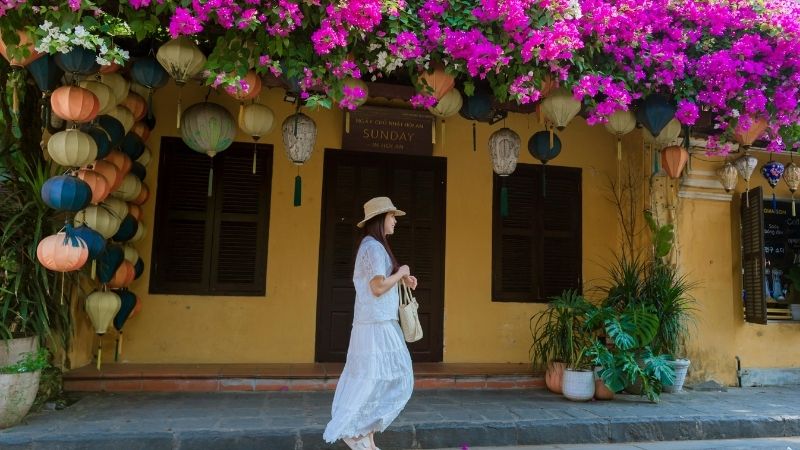
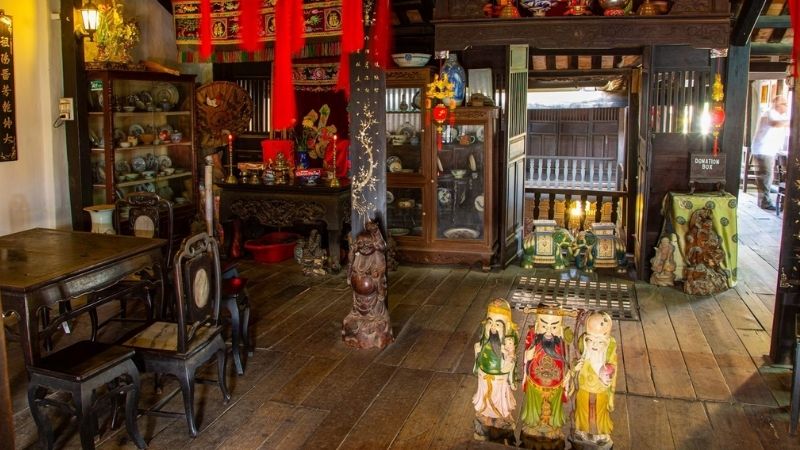
The busiest street in Hoi An, lined with cultural buildings, cafes, silk shops, and at night, vibrant lanterns and folk performances create an enchanting atmosphere.
Hoi An Market
A bustling local market near the river where visitors can sample specialties like cao lau, mi quang, and Hoi An bread while shopping for souvenirs and fresh seafood.
Quan Thang Ancient House
Over 150 years old, this house showcases exquisite Hoa Ha Chinese architecture, maintaining nearly original design and craftsmanship.
The Sa Huynh Culture Museum
Displays nearly 1,000 rare artifacts revealing the history of Hoi An’s earliest inhabitants. Exhibits also recreate local wedding, funeral, and burial customs.
Museum of Folk Culture
Opened in 2005, housed in a 2-story ancient building, displaying 490 artifacts of traditional crafts and folk performances. Visitors can experience Hoi An culture in a lively way.
The Tran Family Home and Chapel
Over 200 years old, combining Japanese and Chinese architectural styles. It is a peaceful, historical site within the ancient town.
Museum of Trade Ceramics
Established in 1995, it showcases over 360 ceramics from the 8th to 18th centuries, illustrating Hoi An’s vibrant historical trade networks.
Thanh Ha Pottery Village
Over 500 years old, visitors can learn traditional pottery techniques and create their own souvenirs.
>>> Read more: Hotels in Ho Chi Minh City: Your Complete Guide for the Perfect Stay
Kim Bong Carpentry Village
Dating back to the 15th century, it’s famous for boat-making and wood carving. Visitors can watch artisans at work and understand the village’s rich history.
Tra Que Vegetable Village
Located 3 km from the ancient town, visitors can experience planting, harvesting, and cooking fresh local vegetables.
Cham Islands (Cu Lao Cham)
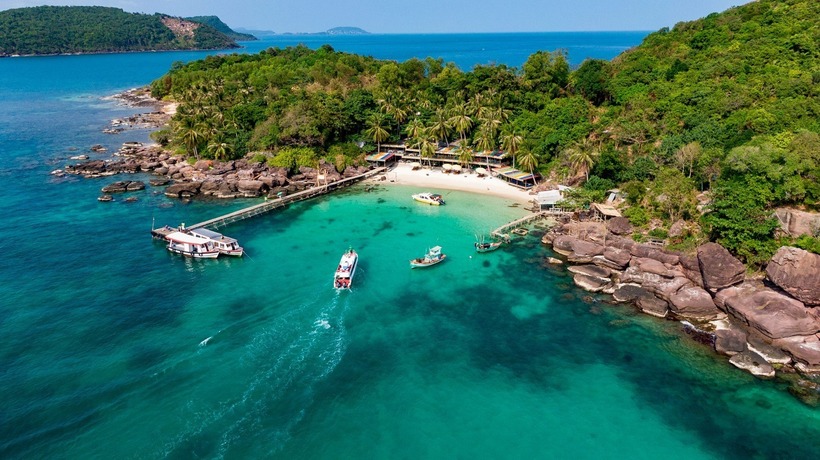
A group of 8 islands, 15 km offshore, featuring turquoise water, white sand, and coral reefs. A UNESCO Biosphere Reserve ideal for snorkeling, kayaking, and camping.
Cua Dai Beach
Just 5 km from the town center, known for its long white sand beach, clear water, and coconut trees. Perfect for swimming, sunrise walks, and fresh seafood.
Bay Mau Coconut Forest
3 km from the ancient town, visitors can ride traditional basket boats, watch local performances, and join fishing activities.
My Son Sanctuary
40 km from Hoi An, a cluster of Cham towers from the 4th to 13th centuries. UNESCO World Heritage Site and an important historical destination.
>>> Read more: Hilton Danang: Your Gateway to Luxury in Vietnam’s Coastal Paradise
An Bang Beach
Rated among the 50 most beautiful beaches in the world, with white sand and clear water, ideal for a peaceful and romantic escape.
Quan Cong Temple (Chua Ong)
Built in the 17th century, dedicated to Chinese general Quan Vu. Features Chinese architectural style with ornate dragon and phoenix carvings.
Conclusion
Hoi An is not just an ancient town with moss-covered rooftops; it is a living treasure of culture, history, and nature. From centuries-old houses, temples, and assembly halls reflecting cultural exchanges, to pristine beaches, traditional craft villages, and vibrant festivals – AFS Travel offer an unforgettable experience.
With this list of top Hoi An attractions, you now have plenty of ideas to plan your trip. Step into Hoi An, wander through lantern-lit streets, savor local cuisine, and enjoy the slow, peaceful rhythm of this remarkable city.