




Vietnam is one of Southeast Asia’s most fascinating destinations, blending ancient charm with modern energy. From lively cities to peaceful countryside and stunning beaches, it offers something for every traveler. If it’s your first visit, you might wonder what to prepare or how to avoid common tourist traps. AFS Travel will share essential Vietnam tips for tourist – covering culture, safety, food, transport, and budgeting – to help you travel smart and enjoy your trip to the fullest.
Why Vietnam is a Must-Visit Destination
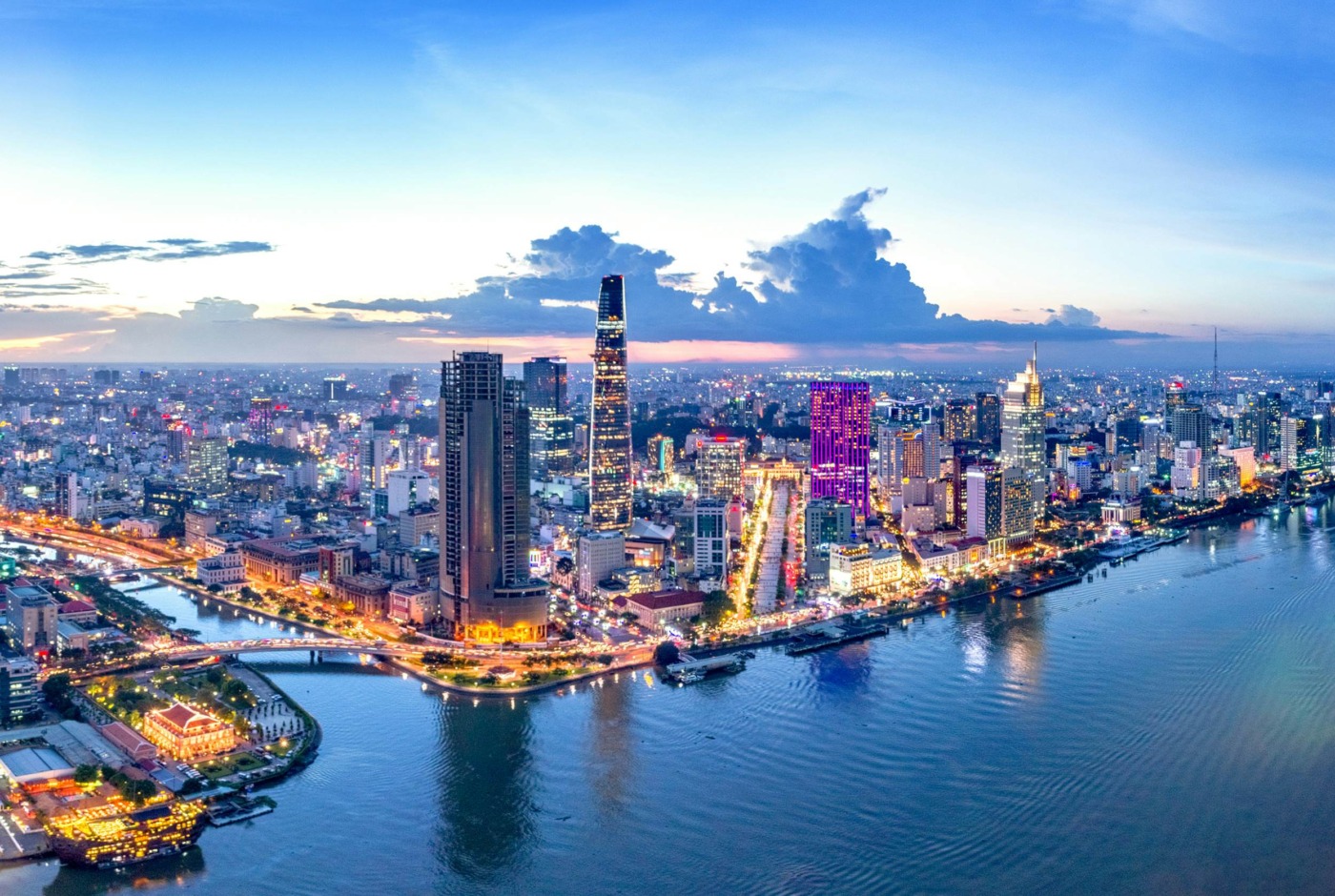
When searching for the best Vietnam tips for tourist, the first thing to know is why this country has become such a beloved destination. Vietnam is a land of contrasts – ancient temples standing beside French colonial buildings, peaceful rice paddies giving way to dynamic urban skylines. Here are a few reasons travelers choose Vietnam:
- Affordability: Vietnam is budget-friendly compared to many other travel destinations.
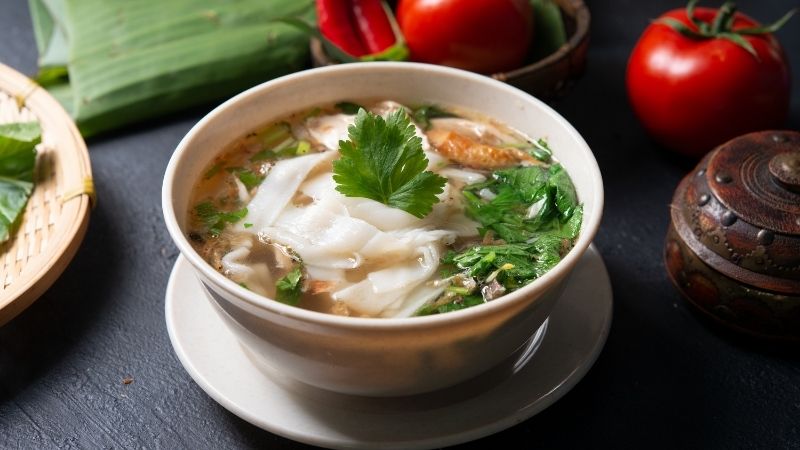
- Food Heaven: From phở and bánh mì to regional delicacies, Vietnamese cuisine is both delicious and diverse.
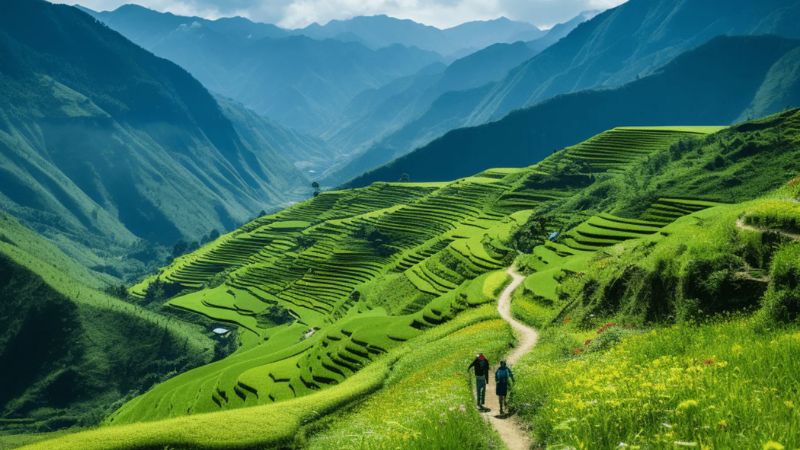
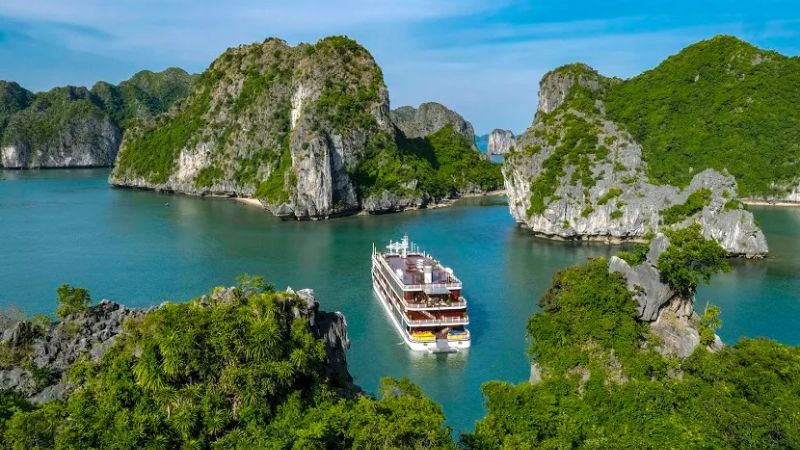
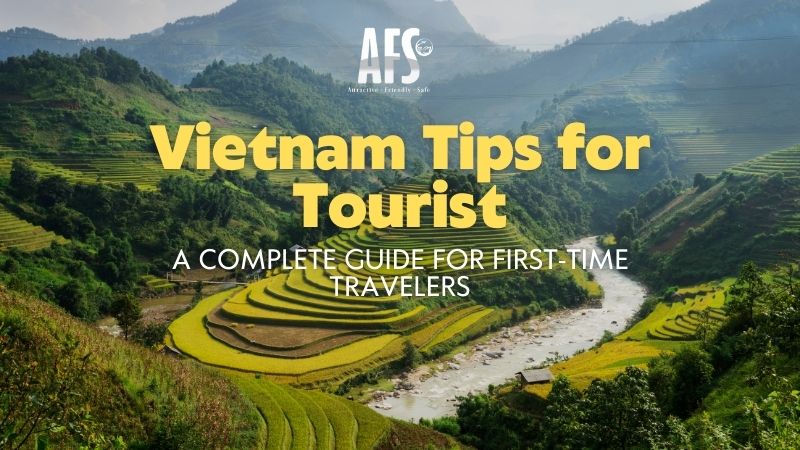
- Natural Beauty: Ha Long Bay, terraced rice fields in Sapa, and white-sand beaches in Da Nang are world-famous.
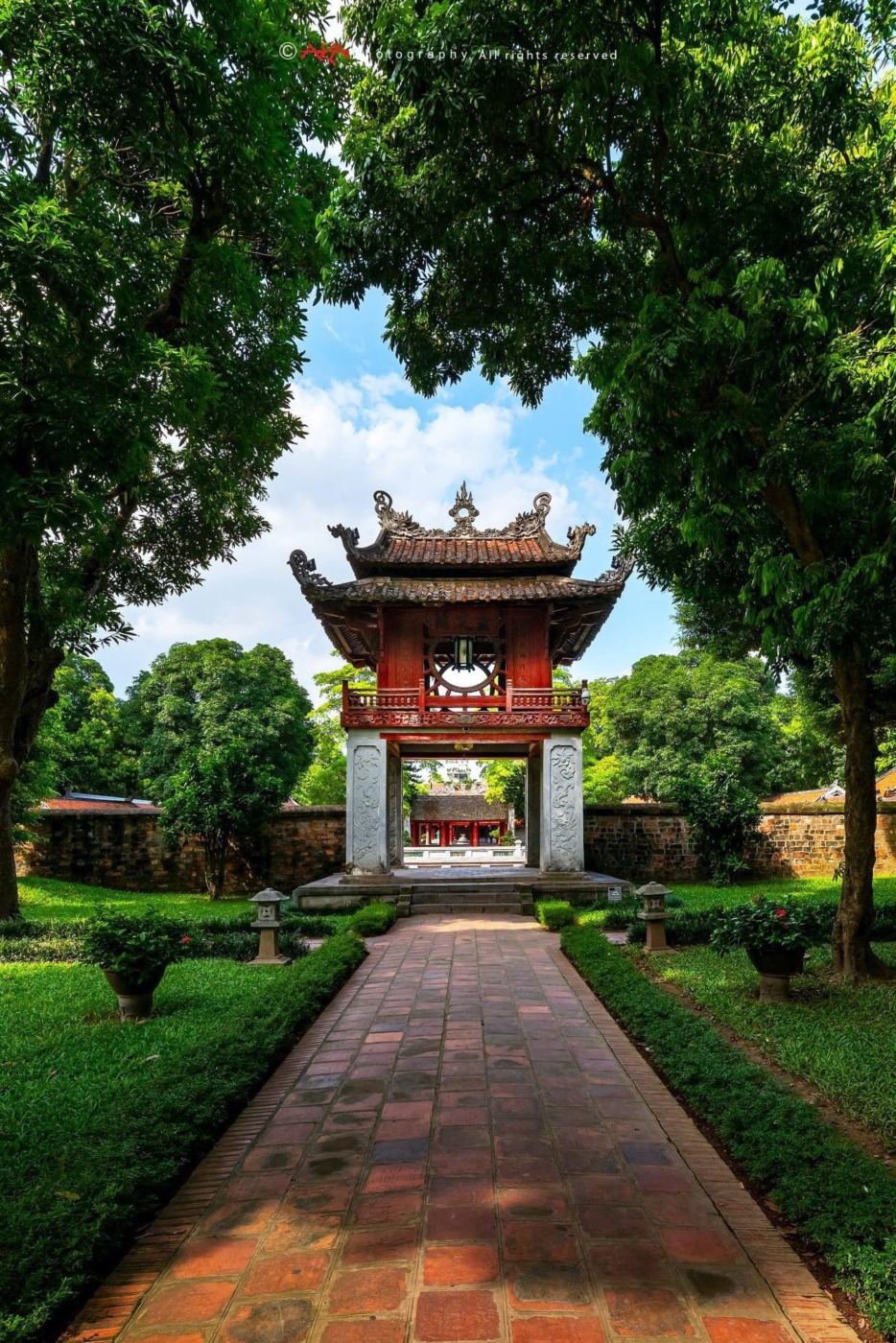
- Cultural Richness: The country’s history spans thousands of years, reflected in its festivals, traditions, and UNESCO sites.
Knowing these highlights is important, but to truly enjoy them, you’ll need the right guidance. That’s why our Vietnam tips for tourist will help you explore smarter and experience the very best of this captivating country.
Vietnam tips for tourist: Entry Requirements and Visa Tips
Travelers often overlook entry requirements, but you’re among the most important things to prepare before any trip. Here’s what you need to know.
Check Visa Policy in Advance
Vietnam applies different visa policies depending on nationality. Citizens from certain countries – such as Japan, South Korea, or some European nations – can enter visa-free for 15–30 days. Others must obtain an e-visa. Since policies can change frequently, always confirm the latest requirements on Vietnam’s official immigration website before booking flights. Following this step is one of the smartest Vietnam tips for tourist, helping you avoid last-minute surprises.
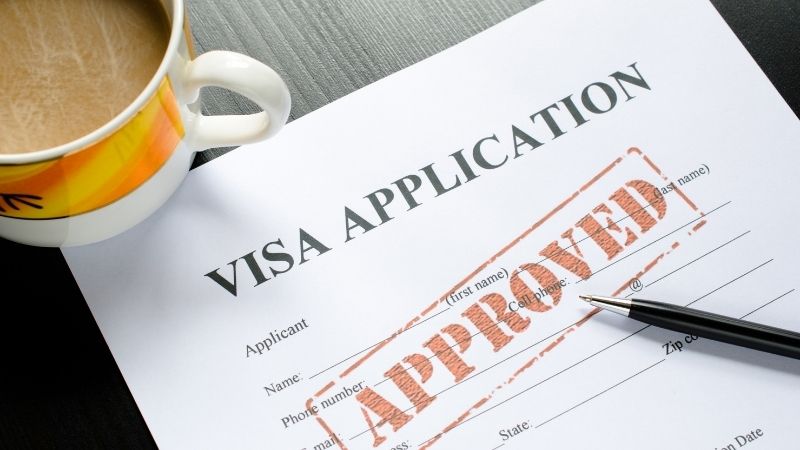
E-Visa Application
The e-visa process is simple and cost-effective. You just need to complete an online form, upload your passport photo, and pay a small fee (usually around $25). Within a few days, you’ll receive an approval letter via email. Print at least one copy, as immigration officers will ask for it upon arrival.
Passport Validity
Make sure your passport is valid for at least six months from your date of entry. Even if your visa is approved, immigration can deny entry if your passport doesn’t meet this condition.
Pro Tip
Apply for your e-visa at least two weeks before departure to avoid processing delays or unexpected system issues. Having your paperwork sorted early makes your arrival in Vietnam stress-free and lets you focus on the fun part of your journey.
Here’s a quick checklist you can refer to:
- Check if your country is eligible for visa exemption.
- Apply for an e-visa at least 2 weeks before departure.
- Print and carry your e-visa approval letter.
- Ensure passport validity of minimum 6 months.
- Double-check the latest immigration policies before flying.
Preparing these basics in advance ensures you’re fully ready and with the right Vietnam tips for tourist, your trip will start smoothly from the moment you land.
Best Time to Visit Vietnam
Vietnam stretches over 1,600 km north to south, so weather varies greatly:
- North (Hanoi, Sapa, Ha Long): Cold winters (Dec – Feb), hot summers (May – Aug). Best time: spring (Mar – Apr) and autumn (Sept – Nov).
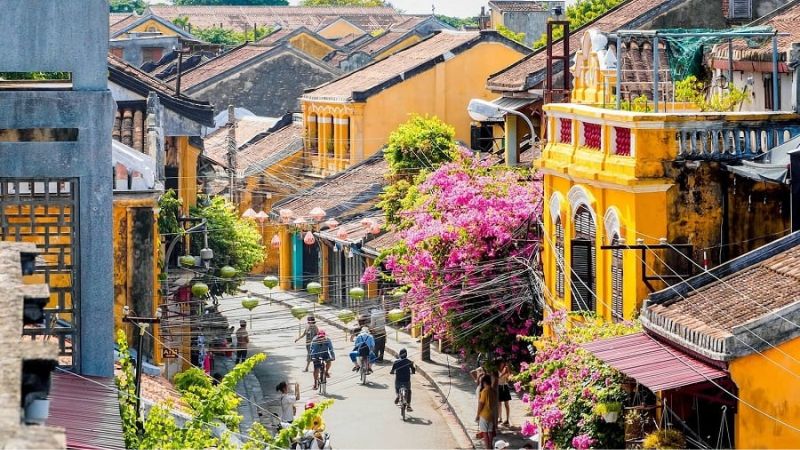
- Central (Hue, Da Nang, Hoi An): Hot, dry weather from Jan – Aug; avoid Sept – Nov when typhoons hit.
- South (Ho Chi Minh, Mekong Delta): Warm year-round with rainy season (May – Oct) and dry season (Nov – Apr).
Vietnam tips for tourist: Plan your itinerary according to regional climate – if Hanoi is rainy, maybe head south to sunny beaches instead.
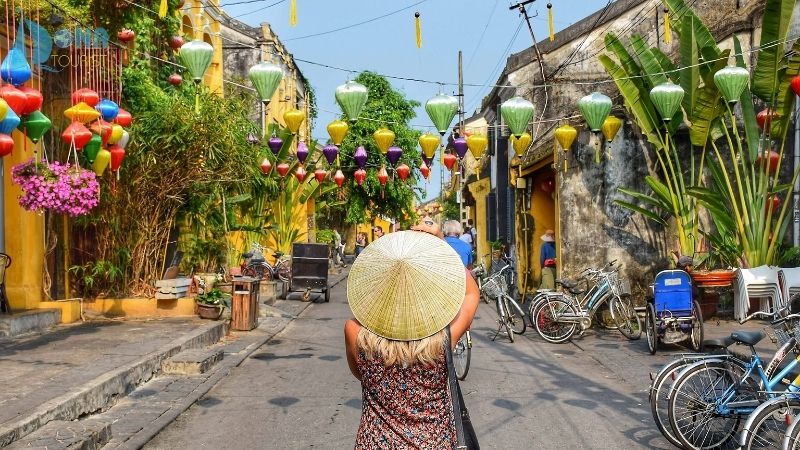
Vietnam Tips for Tourist: Cultural Etiquette Every Traveler Should Know
When traveling in Vietnam, it’s not just about stunning landscapes or delicious food – understanding local manners is equally important. These Vietnam tips for tourist will guide you through everyday cultural etiquette, helping you connect with locals respectfully and avoid unintentional faux pas.
Practice the Art of Saving Face
In Vietnam, the idea of “saving face” plays a big role in social interactions. It means avoiding situations that cause embarrassment or loss of dignity for others. Tourists should avoid raising their voice, criticizing someone publicly, or pointing out mistakes too directly. Instead, try to stay calm and respectful, even if you encounter problems. By practicing patience and politeness, you’ll leave a positive impression and avoid unnecessary conflicts during your trip.
Avoid Public Displays of Affection
Although Vietnam is modernizing quickly, public displays of affection are still not widely accepted, especially outside major cities. Holding hands is usually fine, but kissing or hugging in public may make people uncomfortable. This is particularly true in rural areas where traditions are more conservative. A useful Vietnam tips for tourist is to keep affection subtle in public spaces. By doing so, you’ll show respect for cultural norms while still enjoying your time with your travel partner.
>>> Read more: Places to Visit in Vietnam: A Complete Travel Guide for First-Time Visitors
Take Care When Visiting Temples or Homes
Temples and private homes are sacred spaces in Vietnam, and visitors should act respectfully when entering them. One of the most important rules is to remove your shoes before stepping inside. When visiting temples, avoid walking across offerings, pointing your feet at altars, or disturbing worshippers. These actions may seem small but are considered disrespectful in Vietnamese culture. Following these etiquette rules will help you enjoy authentic cultural experiences while being a considerate guest.
Dress Modestly in Temples
Religious sites in Vietnam, such as pagodas and temples, are not just tourist attractions but also active places of worship. Wearing modest clothing is a sign of respect. Cover your shoulders and knees, and avoid outfits that are too revealing. Lightweight scarves or shawls can be useful if you’re unsure. One of the most practical Vietnam tips for tourist is to carry versatile clothing that suits both sightseeing and temple visits. Dressing properly will ensure a more welcoming experience from locals.
Be Thoughtful with Gift-Giving
Gift-giving is a meaningful part of Vietnamese hospitality. If you are invited to someone’s home, bringing a small gift such as fruit, tea, or sweets is considered polite. However, avoid gifts wrapped in black, as this color is associated with funerals and bad luck. Presenting the gift with both hands is also a respectful gesture. Understanding this tradition is a helpful tip, since it shows appreciation for local customs and strengthens relationships with the people you meet.
Greet Older Family Members First
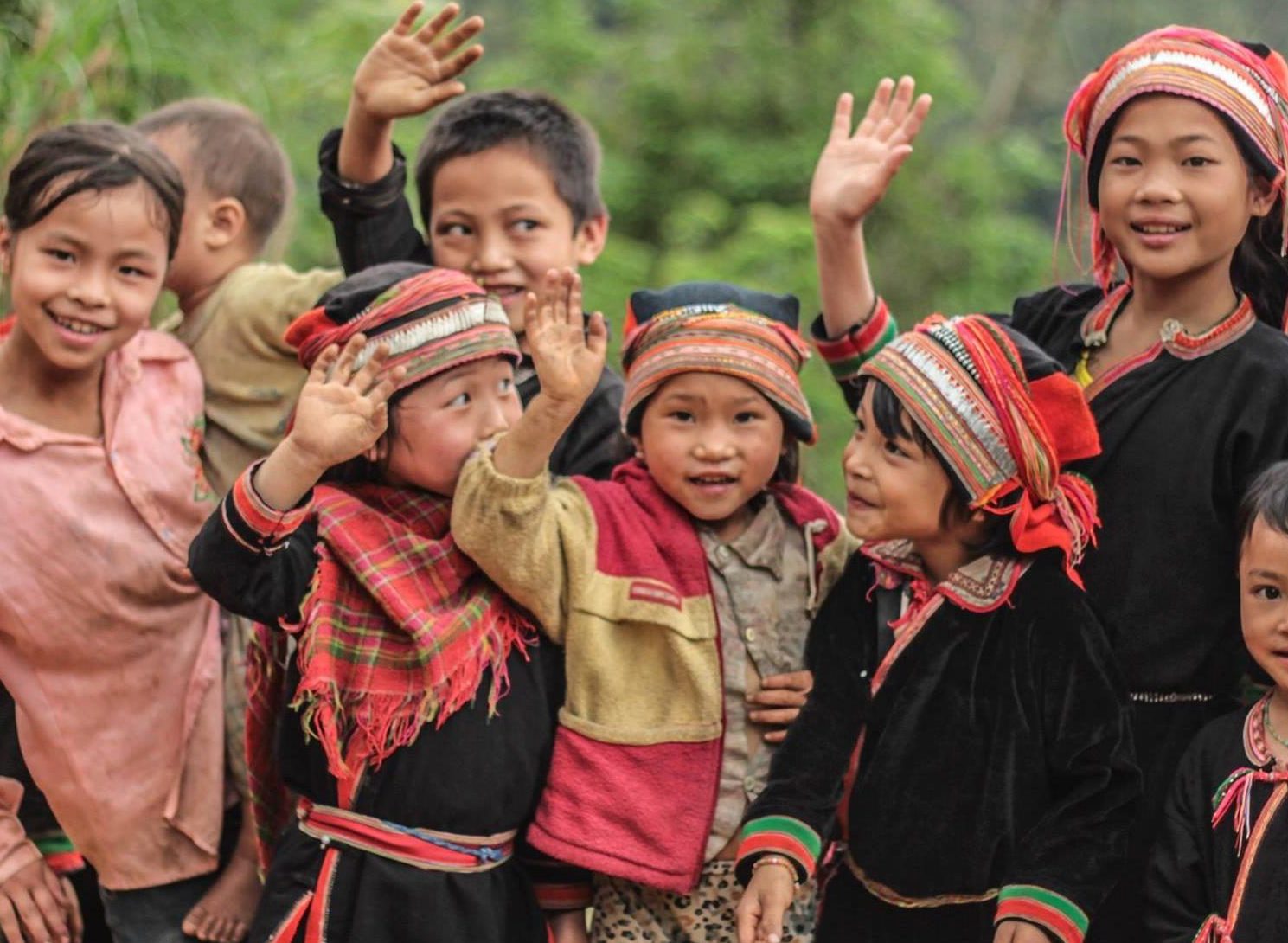
Respect for elders is deeply rooted in Vietnamese culture. When meeting a family, it’s customary to greet the oldest member first. A polite handshake or slight bow accompanied by a smile is appropriate. Always use your right hand when giving or receiving something, as it’s seen as more respectful. Including this small gesture in your travels reflects cultural awareness. Among the essential Vietnam tips for tourist, remembering to prioritize elders will help you gain warmth and respect from local communities.
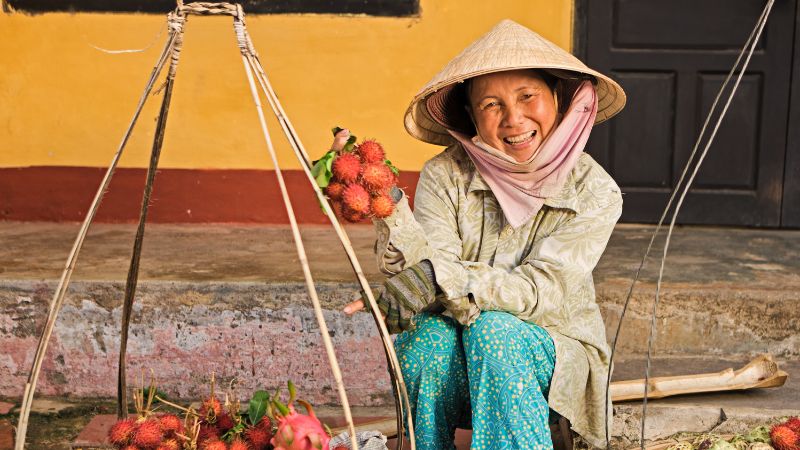
Maintain General Harmony and Politeness
Vietnamese people tend to communicate in a soft, indirect manner. Open confrontation, arguing, or using a harsh tone is frowned upon. Instead, approach situations calmly and speak politely, even when something goes wrong. Smiling often helps diffuse tension and creates a friendly atmosphere. This is one of the simplest yet most important Vietnam tips for tourist – showing kindness and humility in your interactions will make locals more open and willing to assist you during your journey.
>>> Read more: What Is Ha Long Bay Famous For? Your Complete Travel Guide
Respect Shared Spaces and Behavior Norms
In public, modesty and consideration for others are highly valued. Gestures like pointing with your finger, losing your temper, or speaking too loudly can be seen as rude. When visiting crowded areas such as markets or buses, keep your belongings close but also remain patient with the hustle and bustle.
These cultural guidelines are some of the most valuable tip. Following them will not only help you avoid awkward moments but also show your respect for Vietnamese traditions – making your trip smoother and more meaningful.
Conclusion
Vietnam is more than just a travel destination – it’s a journey of flavors, landscapes, and culture. With AFS Travel, your trip can be smooth, safe, and unforgettable. These Vietnam tips for tourist are designed to give you confidence and insight, whether you’re backpacking through the countryside or enjoying luxury resorts.